What Happens After a Festival Screening
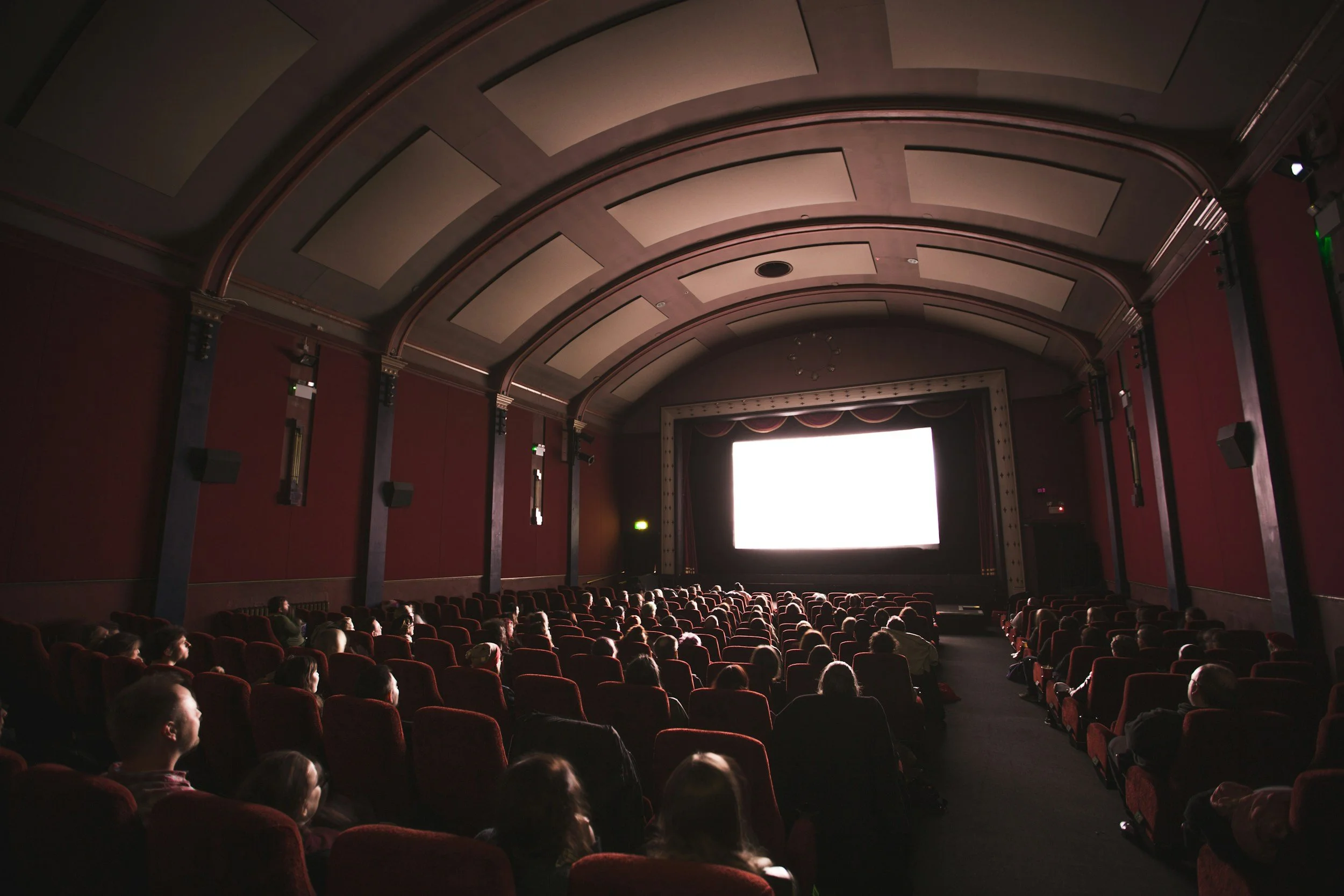
What Happens After a Festival Screening: A Guide for Independent Filmmakers
For independent filmmakers, a festival screening often feels like the finish line. Months, or years, of writing, shooting, editing, and submitting finally culminate in a dark theater and a rolling credit sequence. Applause fades, the lights come up, and then comes the unspoken question:
Now what?
In reality, what happens after a festival screening is often more important than the screening itself. This final support article breaks down what unfolds once the film ends, how festivals quietly evaluate filmmakers beyond the screen, and why post-screening moments play a decisive role in discovery, reputation, and long-term inclusion in trusted independent filmmakers lists.
The Screening Is the Beginning, Not the End
From a programmer’s perspective, a screening is not a final judgment, it is a data point.
After a festival screening, organizers observe:
Audience attention and emotional response
Informal conversations in the lobby
Q&A participation and tone
Filmmaker presence and professionalism
Independent filmmakers are often surprised to learn that memory and behavior matter as much as the film itself once the screening concludes.
Immediate Audience Reaction Matters
Audience response is the first post-screening signal.
Programmers and staff pay attention to:
Length and sincerity of applause
Silence or stillness before clapping
Laughter, gasps, or emotional reactions
Whether audiences stay through the credits
These reactions are not judged superficially. Instead, they help festivals understand whether a film connected on a human level, an important factor in long-term discovery.
The Q&A: A Second Evaluation Layer
For many independent filmmakers, Q&As feel optional or secondary. For festivals, they are anything but.
During Q&As, festivals observe:
How clearly filmmakers articulate intent
Whether answers deepen audience understanding
How filmmakers respond to difficult or unexpected questions
The tone: curiosity versus defensiveness
A thoughtful Q&A can elevate a film’s impact. A disengaged or dismissive one can quietly undermine it.
This is why Q&As often influence repeat invitations and recommendations.
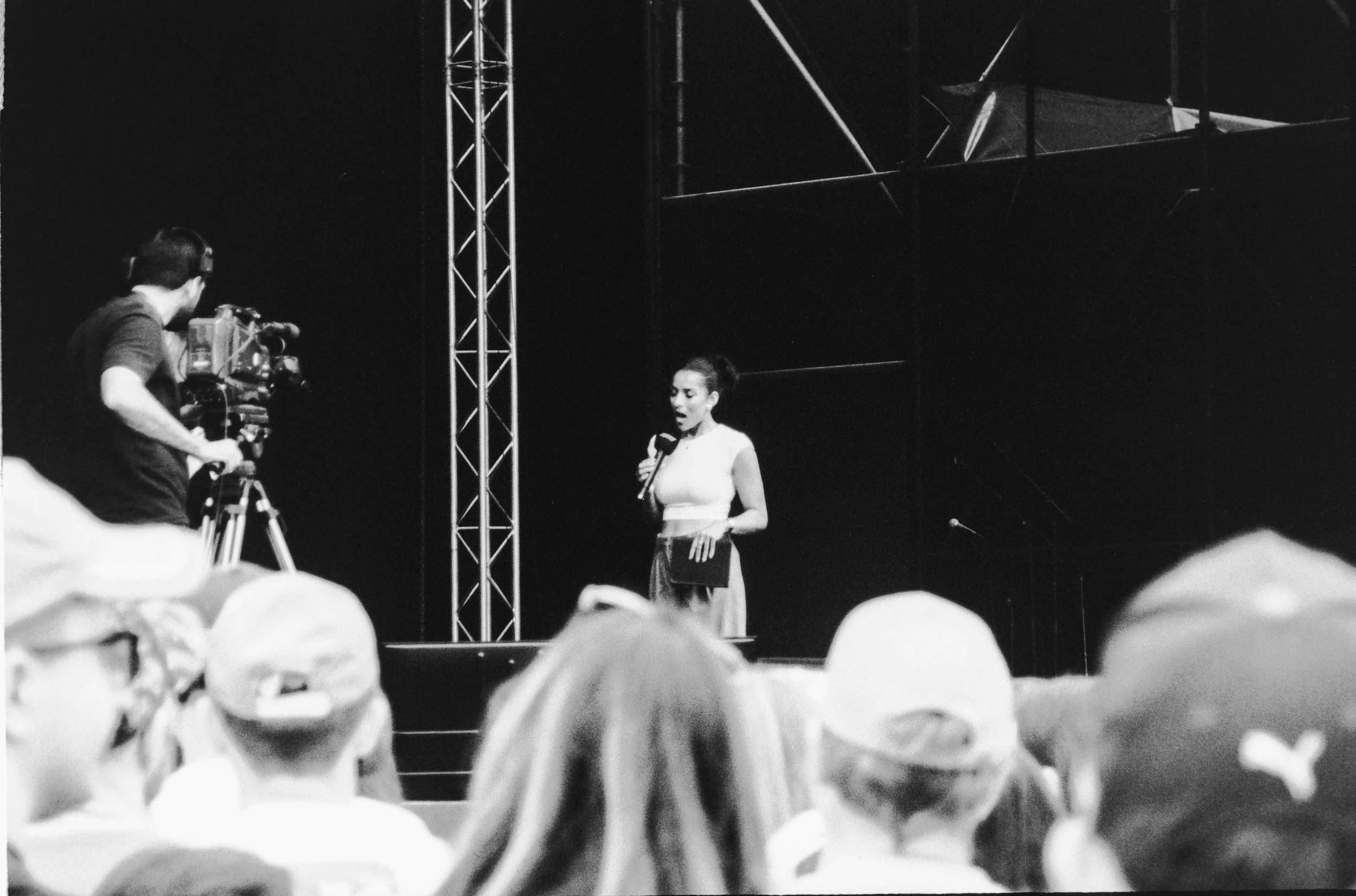
Informal Conversations Carry Outsized Weight
Some of the most important post-screening moments never happen on stage.
Festivals notice:
Conversations between filmmakers and audience members
Peer-to-peer engagement with other filmmakers
Willingness to discuss other films in the program
Independent filmmakers who show genuine interest in the broader festival, not just their own screening, tend to be remembered more positively.
These moments often shape how independent filmmakers are discovered today, beyond formal programming decisions.
How Festivals Track Films After the Screening
Behind the scenes, festivals often log more than selection results.
They may track:
Audience attendance numbers
Q&A participation
Repeat attendance by the same audience members
Informal feedback from volunteers and staff
This information feeds into future decisions about programming, invitations, and internal filmmaker lists.
Discovery is cumulative, not instantaneous.
Awards Are Announced, But Evaluation Continues
Awards are visible markers, but they do not end evaluation.
Many films that do not win awards still:
Generate strong audience discussion
Leave lasting impressions on programmers
Lead to future invitations
For independent filmmakers, this reinforces a key truth: not winning is not the same as not being seen.
This distinction aligns closely with how film festivals discover independent filmmakers over time.
Networking Without “Networking”
One of the most misunderstood post-screening phases is networking.
Effective post-screening engagement is rarely transactional. Festivals notice filmmakers who:
Ask others about their work
Attend additional screenings
Participate in panels or informal gatherings
Avoid aggressive self-promotion
These behaviors signal professionalism and community-mindedness, traits that matter deeply in festival ecosystems.
Repeat Presence Builds Trust
Festivals remember filmmakers who:
Return year after year
Submit new work showing growth
Support the festival even when not selected
This repeat presence is one of the strongest drivers of long-term visibility and inclusion in curated filmmaker networks.
It also explains why choosing the right film festivals matters more than chasing prestige alone.
Regional Festivals and Post-Screening Depth
Regional and community-driven festivals often amplify post-screening impact.
Because schedules are less compressed:
Conversations last longer
Filmmakers are more accessible
Audiences engage more deeply
This creates ideal conditions for reflection, feedback, and memory, key elements in sustained discovery.
An example of this dynamic can be seen at the Highlands Cashiers Film Festival, where screenings are designed to encourage conversation and community engagement rather than rapid turnover.
What Filmmakers Should Not Expect
Understanding what does not happen after a screening is equally important.
Most festivals will not:
Offer immediate distribution deals
Provide formal feedback on rejections
Publicly rank films beyond awards
Independent filmmakers who expect instant outcomes often miss the quieter, more valuable signals unfolding around them.
Practical Post-Screening Best Practices
Independent filmmakers can maximize post-screening impact by:
Staying present after the screening
Treating Q&As as conversations, not pitches
Engaging respectfully with audiences and peers
Attending other screenings
Thinking long-term rather than transactional
These behaviors align closely with how programmers evaluate filmmakers beyond a single film.
How Post-Screening Moments Shape Careers
Many independent filmmaking careers advance not because of one screening, but because of what followed:
A conversation that led to a recommendation
A programmer remembering a filmmaker’s growth
A regional festival becoming a creative home
Post-screening moments are where films transform into relationships.
Final Thoughts: The Real Work Begins After the Credits
For independent filmmakers, the end of a screening is not a conclusion, it is an opening.
Festivals continue to evaluate films and filmmakers through audience response, engagement, and presence long after the screen goes dark. Those who understand and embrace this phase position themselves for deeper discovery, stronger relationships, and long-term inclusion in the kinds of independent filmmakers lists that truly matter.
When the credits roll, the real story is just beginning.
